Why Meridian
Meridian gives organisations independent visibility into GNSS integrity. It detects interference, anomalies, and misleading information without changing user systems or interfering with operations.
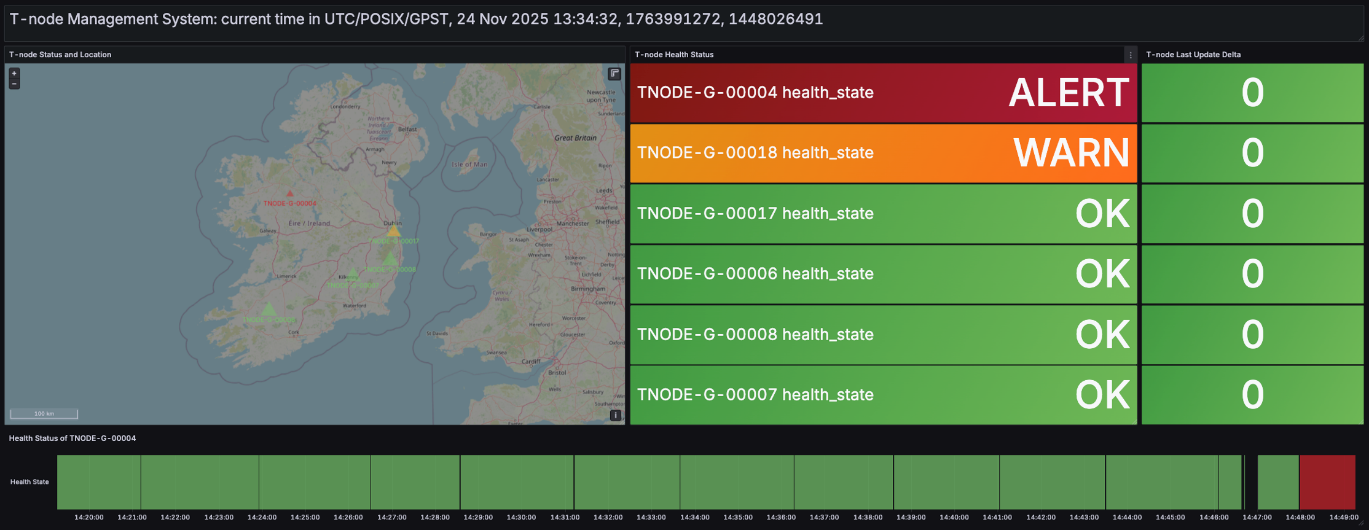
Monitor the satellite signals your equipment relies on. Meridian gives operators independent visibility into disruption affecting Global Navigation Satellite Systems (GNSS), including GPS and Galileo, with alerts and evidence to support investigation.
Book a consultationMeridian gives organisations independent visibility into GNSS integrity. It detects interference, anomalies, and misleading information without changing user systems or interfering with operations.
Radio-frequency (RF) spectrum observations help identify interference. Position and time plausibility checks look for unexpected receiver behaviour, while navigation-data verification checks the information broadcast by satellites. Together these checks provide more context than a receiver's own health indication.
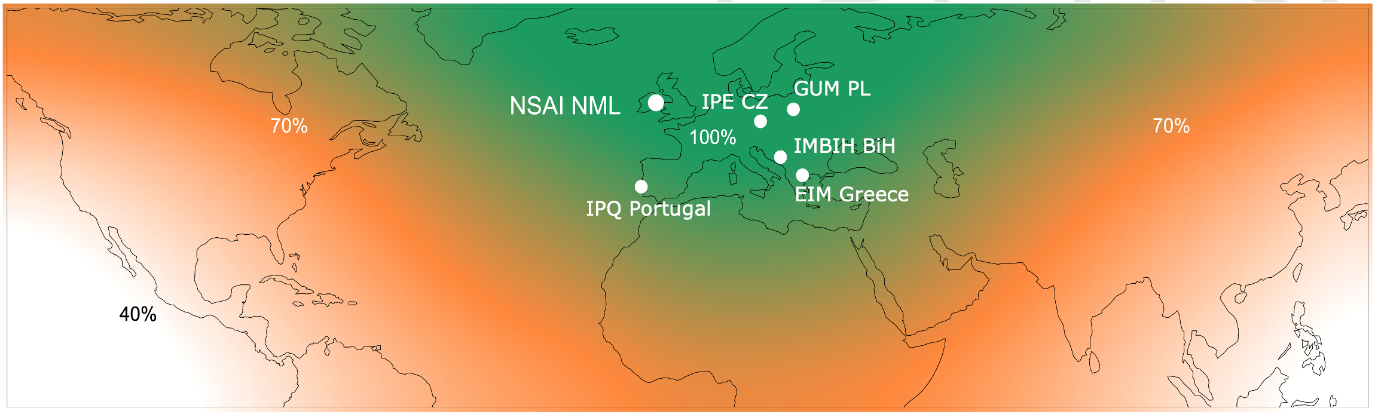
The system is built for 24/7 environments, secure communications, optional redundancy, and integration with existing monitoring and alerting frameworks. It can support single-site deployments or distributed national and regional monitoring networks.